April 20, 2026
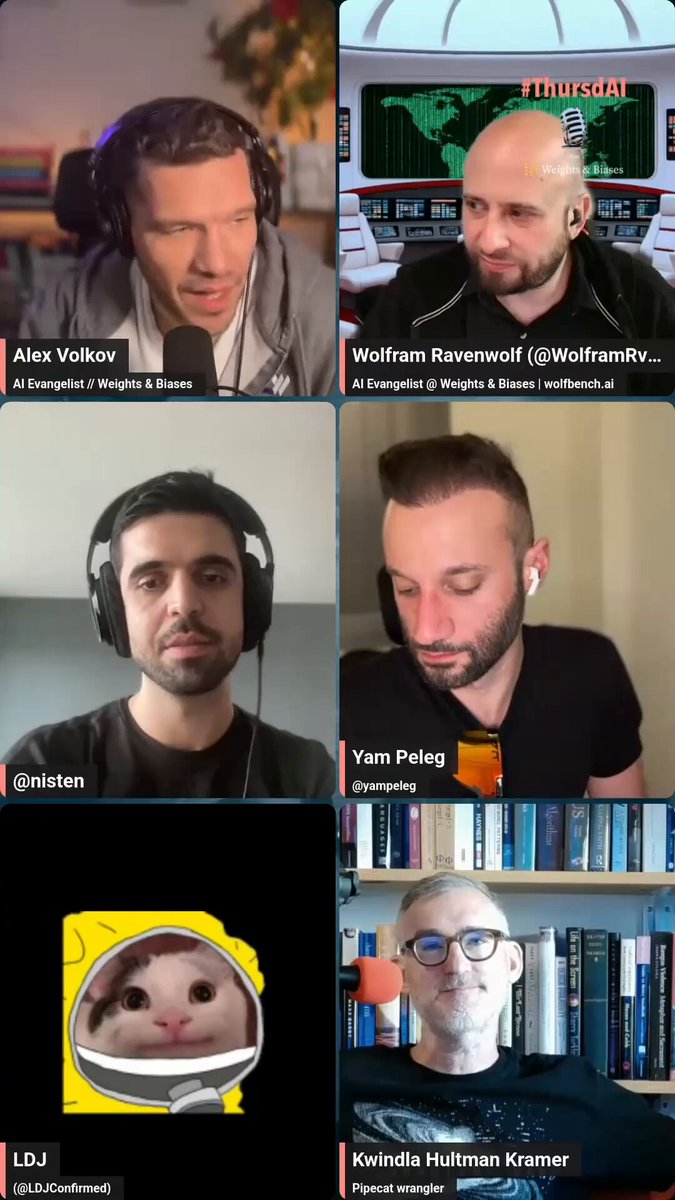
I always have a blast on @thursdai_pod. Last week was particularly fun for me, because I got to talk about the side project we launched that blew up on X.
We built a massively multi-player, AI-based game that's a bunch of fun to play and taught us a bunch of useful things about how to build software that is designed from the ground up to use LLMs *everywhere*.
Some of the things we've been obsessing over:
- Managing lots of sub-agents
- Using (and evaluating) multiple models in a single application
- Very, very, very, very long context management. @dexhorthy can you invent a new name for this that's better than "context engineering 2.0"?
- Structured data *input*. (Yes, input, not output.)
- Dynamic UI generation
- Replacing code with natural language LLM inference. Don't catch errors in code blocks. Tag errors in your inference loop and ask the LLM to handle them next time around the loop.
- Voice as primary input, plus multi-modal, graphical, visual/tabular, output.
The game is totally open source. There are more than 1,000 people playing. We had a bunch of *great* PRs last week from new contributors. Come hang out in retro-virtual space space with us!
ThursdAI home page[1]
https://t.co/BIzTZIOjG4
Sub-agents in (latent) space!
We’ve been working on a side project.
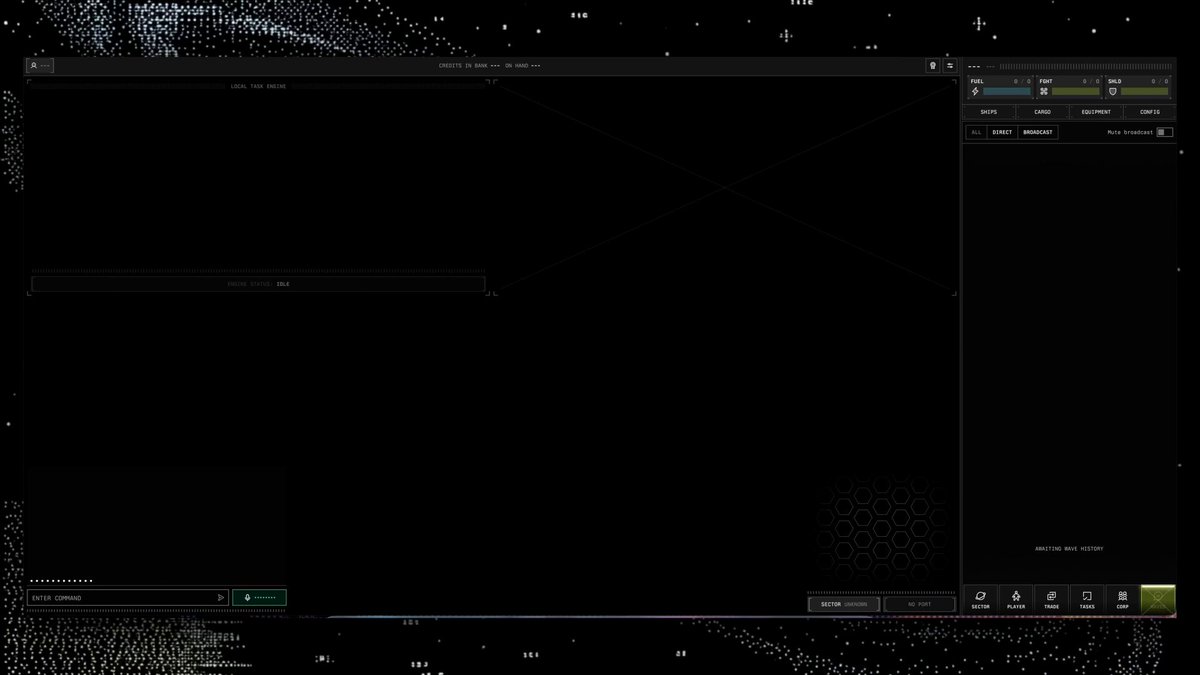
As far as I know, this is the first massively multiplayer, completely LLM-driven game. Come play Gradient Bang with us. See if you can catch me on the leaderboard.
This whole thing started because I wanted to explore a bunch of things I’m currently obsessed with, in an application of non-trivial size, that felt both new and old at the same time.
So … a retro-style space trading game built entirely around interacting with and managing multiple LLMs. Factorio, but instead of clicking, you cajole your ship AI into tasking other AIs to do things for you.
Some of the things we’ve been thinking about as we hack on Gradient Bang:
- Sub-agent orchestration
- Partial context sharing between multiple LLM inference loops
- Managing very long contexts, and episodic memory across user sessions
- World events and large volumes of structured data input as part of human/agent conversations
- Dynamic user interfaces, driven/created on the fly by LLMs
- And, of course, voice as primary input
If you’ve been building coding harnesses, or writing Open Claw agents, or doing pretty much anything that pushes the boundaries of AI-native development these days, you’re probably thinking about these things too!
This is all built with @pipecat_ai, the back end is @supabase, the React front end is deployed to @vercel, and all the code is open source.